How Buda Altitude Affects HVAC System Performance
Published: 2026-10-15 · By ColdAir AC Repairs
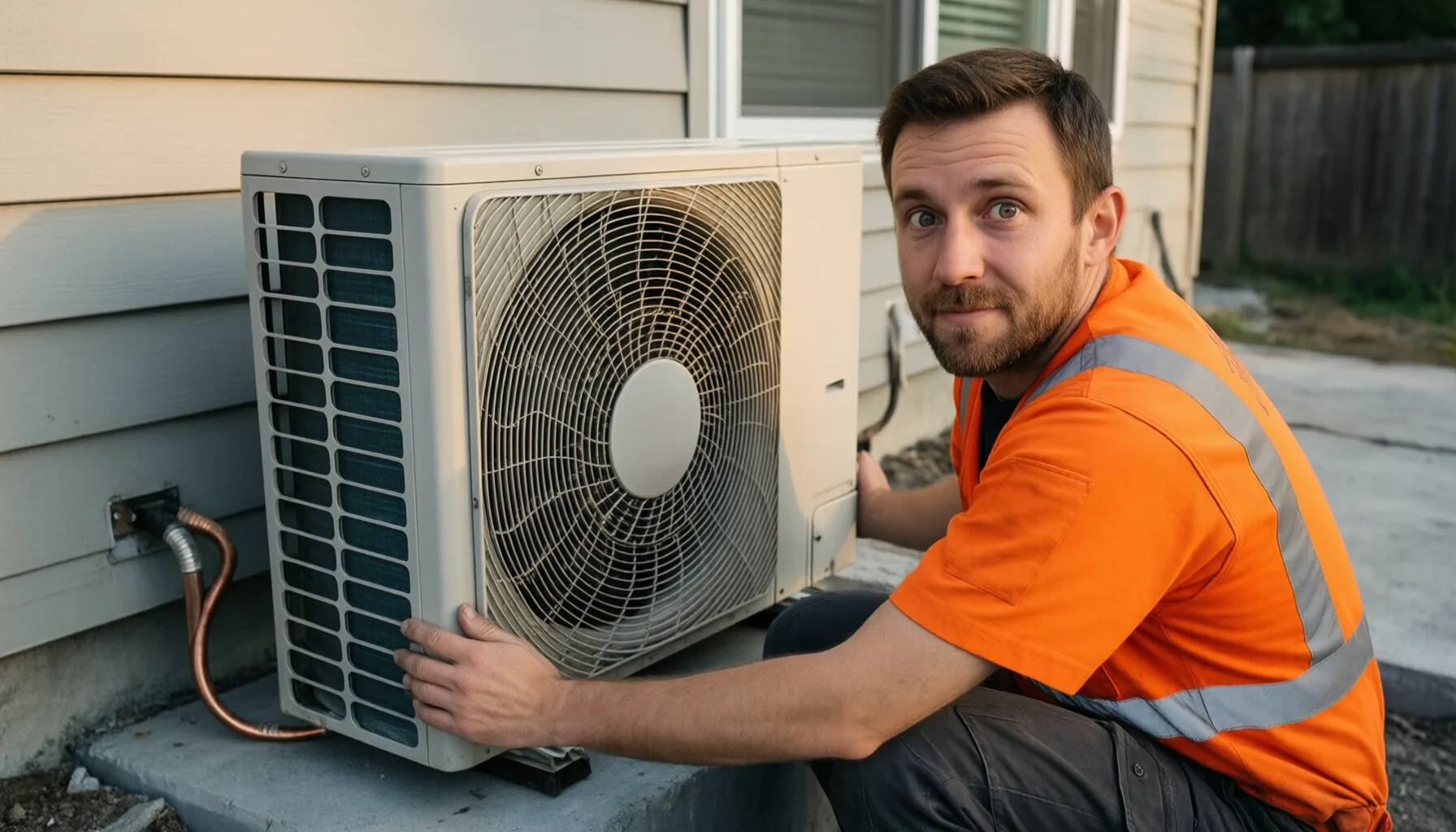
Imagine it’s a searing summer day in Buda, and your air conditioner suddenly begins to struggle against the relentless Texas heat. You might be wondering why your HVAC system isn’t performing as expected, especially since the climate is known for its intense temperatures and high humidity. Buda’s unique altitude and environmental conditions can heavily influence the effectiveness of air conditioning systems, making it crucial for residents to understand how these factors come into play.
Why This Matters for Buda Homeowners
Buda homeowners often find themselves grappling with HVAC inefficiencies due to the city’s altitude and geological context. As Texas experiences extreme heat and high humidity, the performance of air conditioning units can be compromised. The local clay soil, which expands and contracts, can lead to foundational issues, affecting the installation of HVAC systems. Consequently, homeowners may face increased energy bills or insufficient cooling during peak summer months.
Furthermore, Buda is not shielded from the effects of severe thunderstorms and hail, both of which can cause unexpected damage to outdoor AC units. Knowing how altitude and these weather factors affect HVAC performance is essential for ensuring a comfortable living environment.
For making informed decisions, understanding maintenance routines tailored to local climate conditions is vital. Homeowners need to ensure their systems are equipped to handle these specific challenges.
Expert Solutions & Actionable Tips
1. Optimize Your Thermostat Settings
Setting your thermostat to an optimal temperature can save you on energy costs while maintaining comfort. For the intense heat typical of Buda, consider keeping it at 75°F. This adjustment can reduce energy usage by 10-15%, especially during peak hours.
Investing in a programmable thermostat may cost around $80-$150, yet the energy savings can often offset the initial expense within the first year.
2. Regular Maintenance Checks
Scheduling seasonal HVAC maintenance is pivotal in the Texas climate. A professional inspection in the spring can identify potential problems before extreme heat strikes. Routine maintenance visits usually cost between $75 and $150, depending on the services included.
Regular cleanings and checks help keep your system efficient and can significantly extend its lifespan.
3. Seal Ducts Properly
Duct sealing is often overlooked, yet it plays a massive role in HVAC performance. Inadequately sealed ducts can cause a 20-30% loss of cooled air, leading to increased cooling costs.
Sealing ducts might range from $200 to $500, but this investment pays off by reducing energy loss and improving efficiency.
4. Choose Energy-Efficient Units
If your system is outdated, upgrading to an energy-efficient model can drastically change performance. New units have higher SEER ratings, which translate to less energy consumption. Expect to invest anywhere from $3,000 to $8,000 for a new unit, depending on size and features.
Not only will this save on monthly bills, but many energy-efficient units come with warranties that add peace of mind.
5. Consider Zoning Systems
Implementing a zoning system allows for customized heating and cooling based on each room’s usage. This setup can increase comfort and reduce energy waste, especially in larger homes. Costs for installing zoning systems can range from $2,000 to $4,000.
Regular adjustments can enhance comfort, particularly during peak humidity months when different rooms may require varied cooling levels.
6. Emergency Preparedness
Given the prevalence of severe thunderstorms, having an emergency plan for your HVAC system is essential. This includes knowing how to secure your outdoor units before storms, like using protective covers. The covers can cost around $50-$100.
Planning ahead can prevent damage that leads to costly repairs or replacements.
Buda Climate & Local Context
Buda’s climate poses unique challenges for HVAC systems, faced with extreme heat paired with high humidity levels that create discomfort. The typical Texas summer can push temperatures well into the 90s, necessitating an efficient cooling system. Additionally, the abundant clay soil in Buda can lead to structural shifts, which can impact HVAC system installation and effectiveness.
Local building codes often require adherence to specific regulations to ensure HVAC systems can withstand these fluctuations. Homeowners should consult with certified professionals about the latest permits and safety regulations when making upgrades or repairs.
When to Call a Professional
Determining when to tackle HVAC issues on your own versus calling an expert is vital for the Buda homeowner. Small tasks like changing filters can be DIY, yet complex issues require professional insight. DIY may void warranties and lead to larger issues down the line if not done properly.
- Insufficient cooling despite settings adjustment
- Unusual sounds emanating from the unit
- Constantly tripping circuit breakers
- Unexplained increases in energy bills
- Registration of leaks around the system
- Systems older than 10 years experiencing frequent issues
In these instances, reaching out to a professional like ColdAir AC Repairs would save time and ensure comfort.
Frequently Asked Questions
What should I do if my AC is blowing warm air?
If your AC is blowing warm air, the first step is to check the thermostat settings. After confirming it’s set correctly, inspect the filters for clogs. If both checks are clear, contacting ColdAir AC Repairs for a professional evaluation would be wise.
How often should I service my HVAC system?
It’s advisable to have your HVAC system serviced at least twice a year, ideally in spring and fall, especially to prepare for the demanding summer heat characteristic of Buda.
Can high humidity affect my AC performance?
Yes, high humidity levels can strain your AC. The system must work harder to remove moisture from the air. This can lead to higher energy consumption and increased wear on the equipment.
Do I need a professional for duct cleaning?
While some may attempt DIY duct cleaning, hiring a professional ensures thoroughness and adherence to safety standards. In Buda, dust and debris can accumulate quickly, making professional cleaning a worthwhile investment.
How can I prepare my HVAC for hurricane season?
During hurricane season, secure outdoor units to prevent damage from debris. Additionally, consider having a backup generator to maintain power to your AC during outages.
Get Expert HVAC Service in Buda
As summer approaches, ensuring your HVAC system is in peak condition is crucial for handling Buda's extreme temperatures. For tailored advice and professional repairs, reach out to ColdAir AC Repairs at (737) 337-5642. Experience a comfortable home even in the heart of summer!
Your comfort matters, and the experts at ColdAir AC Repairs are here to assist the residents of Buda with reliable HVAC solutions. Call us today!